
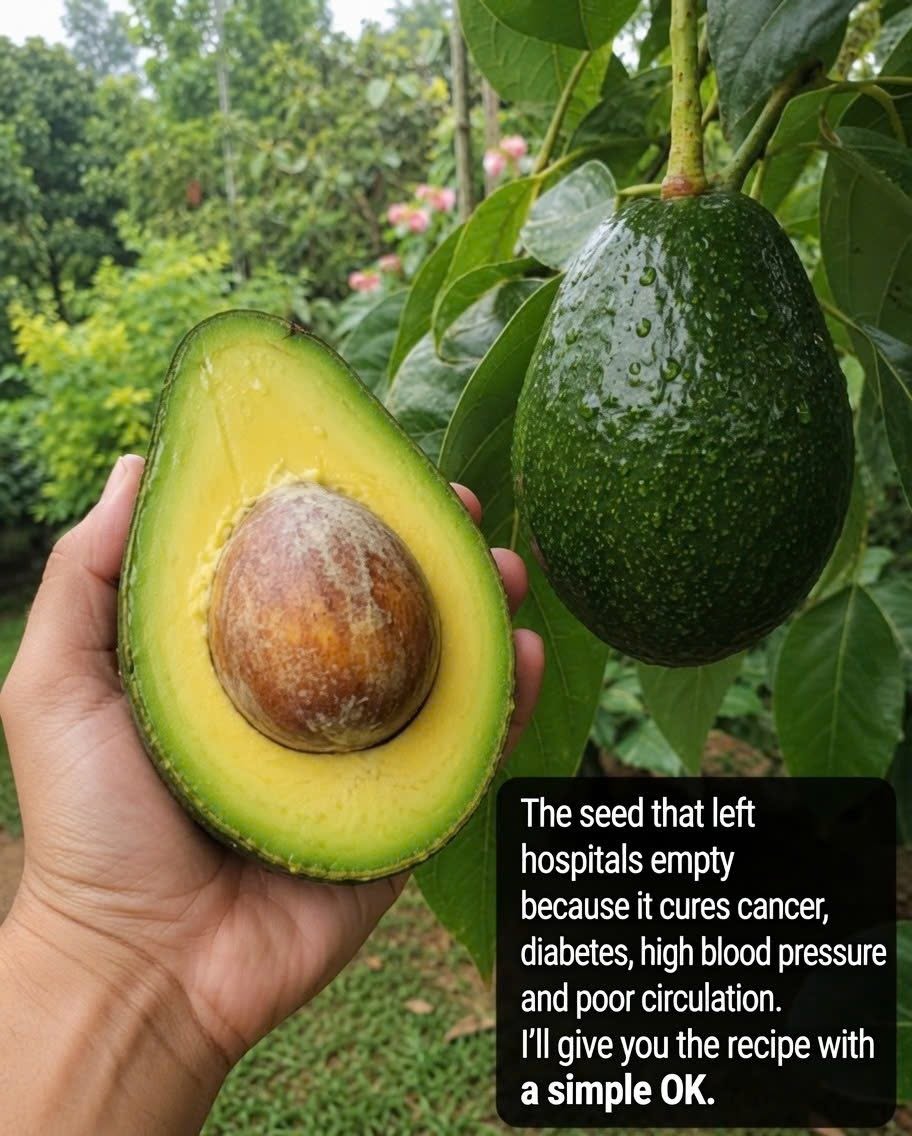
Amazing Avocado Benefits Why This Creamy Superfruit Deserves a Place in Your Daily Diet
Avocados have long been hailed as one of the world’s healthiest foods. Once regarded as a strange fruit, their rich texture, mouthwatering flavor, and remarkable nutritional profile have made them a standard in kitchens all over the world. Avocados offer much more than just delicious flavor, whether they are spread on toast, blended into smoothies, added to salads, or eaten as guacamole. This green fruit’s unusual blend of fiber, vitamins, minerals, antioxidants, and healthy fats is what makes it so unique. Because avocados include nutrients that promote various parts of health, including the heart, brain, digestion, and skin, nutrition experts often recommend them as part of a balanced diet. Healthy monounsaturated fats, fiber, potassium, vitamins B, C, E, and K, and carotenoids that support general health are all found in avocados.
Let’s explore the remarkable benefits of avocados and discover why adding them to your daily routine may be one of the smartest nutritional choices you can make.
What Makes Avocado a Nutritional Superstar?
Unlike most fruits, avocados are naturally rich in healthy fats rather than carbohydrates. This unique characteristic gives them their creamy texture and helps provide long-lasting satiety.
A typical serving of avocado contains:
Healthy monounsaturated fats
Dietary fiber
Potassium
Magnesium
Vitamin E
Vitamin C
Vitamin K
Folate
Antioxidants
This impressive nutrient combination explains why avocados are often considered one of nature’s most complete foods.
A Powerful Ally for Heart Health
Heart disease remains one of the leading health concerns worldwide. Fortunately, dietary choices can play a major role in supporting cardiovascular wellness.
Avocados are particularly rich in monounsaturated fats, especially oleic acid, the same heart-friendly fat found in olive oil. Research suggests that replacing saturated fats with monounsaturated fats may help support healthy cholesterol levels and overall cardiovascular function.
Additionally, avocados provide potassium, an important mineral that helps regulate fluid balance and supports healthy blood pressure levels. Studies have associated higher potassium intake with improved cardiovascular health.
Including avocado regularly as part of a balanced eating pattern may contribute to a healthier heart over the long term.
Supports Healthy Cholesterol Levels
One of the most frequently discussed benefits of avocados involves their effect on cholesterol management.
The combination of healthy fats, fiber, and plant compounds found in avocados may help support:
Healthy LDL cholesterol levels
Higher HDL cholesterol levels
Better lipid balance
Improved cardiovascular wellness
Several nutrition experts have highlighted avocado’s role in supporting cholesterol management when consumed as part of a healthy diet.
This makes avocado an excellent alternative to highly processed foods that often contain less beneficial fats.
Promotes Better Digestion
Good digestion is the foundation of overall health.
Avocados contain both soluble and insoluble fiber, which help support digestive function in several ways.
Fiber may help:
Promote regular bowel movements
Support beneficial gut bacteria
Improve digestive comfort
Increase feelings of fullness
A medium serving of avocado can contribute significantly to daily fiber intake, making it an easy way to support gut health naturally. Fiber also helps slow digestion, contributing to more stable energy levels throughout the day.
Helps You Feel Fuller for Longer
One reason avocados are popular among people focused on healthy weight management is their ability to promote satiety.
The combination of:
Healthy fats
Dietary fiber
Nutrient density
helps keep hunger under control between meals.
Many people find that adding avocado to breakfast or lunch reduces cravings later in the day. Research has suggested that meals containing avocado may increase feelings of fullness compared to meals without it.
Feeling satisfied after meals can make it easier to maintain healthy eating habits over time.
Excellent for Eye Health
The eyes are particularly vulnerable to oxidative stress and age-related changes.
Avocados contain two important carotenoids:
Lutein
Zeaxanthin
These compounds accumulate in the retina and help protect the eyes from oxidative damage and harmful light exposure. Nutrition experts often associate lutein and zeaxanthin with long-term visual health and protection against age-related eye concerns.
Including foods rich in these nutrients may support healthy vision as part of a balanced diet.
Supports Brain Function
The brain requires a constant supply of healthy fats and nutrients to function optimally.
The monounsaturated fats found in avocados help support healthy circulation, which contributes to proper blood flow throughout the body, including the brain.
Some researchers suggest that diets rich in healthy fats may support cognitive health and healthy aging. Avocados also contain vitamin E and various antioxidants that help protect cells from oxidative stress.
While no single food can guarantee perfect brain function, nutrient-rich foods like avocados may play a valuable role in long-term cognitive wellness.
Enhances Nutrient Absorption
One of avocado’s most unique advantages is its ability to improve the absorption of other nutrients.
Certain vitamins are fat-soluble, meaning they require dietary fat for proper absorption. These include:
Vitamin A
Vitamin D
Vitamin E
Vitamin K
Adding avocado to salads and vegetable-based meals can help the body absorb these nutrients more effectively. Studies have shown that consuming carotenoid-rich vegetables alongside avocado may significantly increase nutrient absorption.
This means avocado not only provides nutrients itself but may also help you get more benefits from other healthy foods.
A Beauty Food for Skin and Hair
Healthy skin and hair often reflect good nutrition.
Avocados provide nutrients associated with skin health, including:
Vitamin E
Vitamin C
Healthy fats
Antioxidants
These nutrients help support:
Skin hydration
Elasticity
Protection against oxidative stress
Healthy appearance
Many natural beauty products even use avocado oil because of its nourishing properties.
While external skincare matters, nourishing the body from within remains one of the most effective strategies for maintaining healthy-looking skin.
May Help Support Healthy Blood Sugar Levels
Despite their creamy richness, avocados contain relatively few carbohydrates.
Their high fiber and healthy fat content can help slow digestion and reduce rapid spikes in blood sugar after meals.
For this reason, avocados are often included in balanced eating plans focused on metabolic health and stable energy levels.
As always, individuals with specific medical conditions should follow personalized dietary guidance from healthcare professionals.
Rich in Antioxidants
Oxidative stress contributes to aging and many chronic health concerns.
Avocados contain several antioxidants that help combat free radicals, including:
Vitamin E
Carotenoids
Polyphenols
Phytosterols
These compounds help protect cells throughout the body and support healthy aging. Antioxidants are one reason why diets rich in fruits and vegetables are consistently associated with better long-term health outcomes.
Simple Ways to Enjoy More Avocado
One reason avocado has become so popular is its incredible versatility.
Breakfast
Spread avocado on whole-grain toast or add slices to eggs.
Salads
Dice avocado into fresh salads for extra creaminess and nutrition.
Smoothies
Blend avocado into smoothies for a rich texture.
Guacamole
Enjoy homemade guacamole with vegetables or whole-grain crackers.
Sandwiches
Use avocado as a healthier substitute for mayonnaise.
Healthy Snacks
Simply sprinkle avocado with lemon juice and herbs for a quick snack.
These simple additions can make healthy eating more enjoyable and satisfying.
Common Mistakes to Avoid
Although avocados are highly nutritious, a few mistakes can limit their benefits.
Ignoring Portion Sizes
Avocados are nutrient-dense and calorie-rich. Moderation remains important.
Choosing Highly Processed Avocado Products
Fresh avocado often provides the greatest nutritional value.
Replacing All Healthy Foods With Avocado
Variety remains essential for a balanced diet.
Expecting Miraculous Results
Avocado is a valuable food, but long-term health depends on overall lifestyle habits rather than any single ingredient.
Building a Healthier Lifestyle With Avocado
No food can single-handedly transform your health. However, consistent healthy choices can produce remarkable results over time.
Combining avocados with:
Regular physical activity
Adequate sleep
Proper hydration
Stress management
A balanced diet rich in fruits and vegetables
creates a strong foundation for long-term wellness.
Small improvements made consistently often deliver the most meaningful health benefits.
Final Thoughts
One of nature’s most remarkable superfoods, avocados have earned their reputation. Rich in fiber, heart-healthy fats, vitamins, minerals, and antioxidants, they provide several potential advantages that promote digestion, heart health, vision, cognitive function, and general wellbeing. Avocado is a flexible option that may easily fit into practically any healthy eating plan, whether your goals are to enhance your nutrition, promote healthy aging, control your appetite, or just enjoy tasty and healthful dishes. You can give your body one of the most nutrient-dense foods nature has to offer by regularly include this creamy green fruit in your meals.