
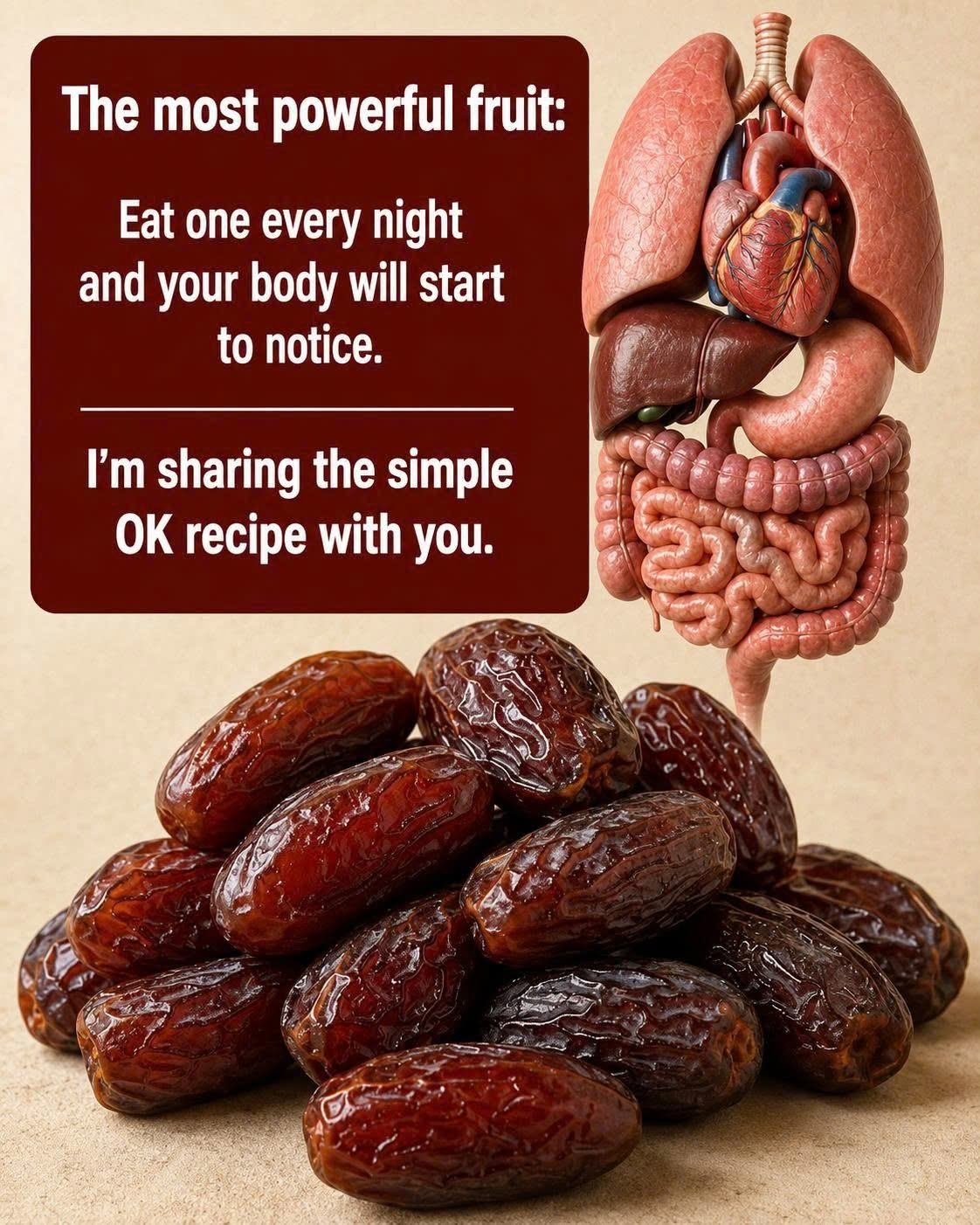
3 Dates a Day What Happens to Your Body and Why You Might Want to Start Tomorrow
For thousands of years, dates have been prized as one of nature’s most nutrient-dense and fulfilling fruits. These little fruits have long been a mainstay of Mediterranean, North African, and Middle Eastern diets because they are chewy, sweet, and full of vital minerals. Nowadays, people all across the world are rediscovering their amazing advantages. Even though dates are typically thought of as just a natural sweet treat, eating only three dates a day can have a number of unexpected health benefits. This ancient fruit should be included in a balanced diet because it helps with digestion, heart health, energy, and general well-being.
Let’s explore what can happen when you make three dates a day part of your daily routine.
Why Dates Are Considered a Nutritional Powerhouse
Despite their small size, dates contain an impressive variety of nutrients.
A typical serving provides:
Dietary fiber
Potassium
Magnesium
Copper
Manganese
Vitamin B6
Natural antioxidants
Natural carbohydrates
Unlike many processed snacks, dates offer sweetness along with valuable vitamins and minerals that contribute to overall health.
Their combination of fiber and nutrients makes them one of the most nutrient-dense fruits available.
Improved Digestive Health
One of the first benefits many people notice is improved digestion.
Dates are naturally rich in soluble and insoluble fiber, both of which play important roles in maintaining digestive wellness.
Fiber helps:
Support regular bowel movements
Feed beneficial gut bacteria
Promote healthy digestion
Improve overall gut balance
Consuming three dates daily can contribute to your recommended fiber intake and may help reduce occasional digestive discomfort.
A healthy digestive system is also linked to better nutrient absorption and overall well-being.
A Natural Energy Boost Without Processed Sugar
Many people reach for sugary snacks or energy drinks when they feel tired during the day.
Dates offer a healthier alternative.
They contain naturally occurring sugars such as:
Glucose
Fructose
Sucrose
These sugars provide readily available energy while the fiber content helps slow absorption, reducing the dramatic spikes and crashes often associated with highly processed sweets.
Eating a few dates as a mid-morning or afternoon snack may help maintain steady energy levels throughout the day.
Better Heart Health Support
Heart health remains one of the most important aspects of overall wellness.
Dates contain potassium, a mineral that helps support healthy blood pressure and proper muscle function.
Adequate potassium intake may help:
Support healthy circulation
Promote cardiovascular function
Balance sodium levels
Support normal heart rhythm
Additionally, the antioxidants found in dates may help combat oxidative stress, which plays a role in many chronic health conditions.
Combined with a balanced lifestyle, dates can be a valuable part of a heart-conscious eating plan.
Powerful Antioxidant Protection
Dates are rich in several types of antioxidants that help protect the body from free radical damage.
Key antioxidants found in dates include:
Flavonoids
Carotenoids
Phenolic acids
These compounds help support cellular health by reducing oxidative stress throughout the body.
Antioxidants are increasingly recognized for their role in supporting healthy aging and protecting various organs from environmental and metabolic damage.
Enhanced Brain Function
Emerging research suggests that antioxidant-rich foods may contribute to cognitive wellness.
The compounds found in dates may help support:
Memory
Focus
Learning capacity
Overall brain health
While no single food can guarantee perfect cognitive performance, diets rich in plant-based antioxidants are often associated with healthier brain aging.
Including dates as part of a nutrient-rich eating pattern may provide long-term benefits for mental sharpness.
Stronger Bones and Better Mineral Intake
Bone health depends on a consistent supply of essential minerals.
Dates provide several nutrients involved in maintaining strong bones, including:
Magnesium
Phosphorus
Potassium
Copper
Manganese
These minerals contribute to bone maintenance and support numerous metabolic processes throughout the body.
Although dates should not replace other nutrient-rich foods, they can contribute meaningfully to overall mineral intake.
A Healthier Alternative to Refined Sugar
Many people struggle to reduce their consumption of processed sweets.
Dates can help satisfy sweet cravings while offering nutritional value.
Ways to use dates include:
Blending into smoothies
Mixing into oatmeal
Adding to yogurt
Using in homemade energy balls
Replacing refined sugar in recipes
Their natural sweetness makes them one of the most versatile whole-food alternatives to processed sugar.
Support for Healthy Weight Management
At first glance, dates may seem too sweet to fit into a healthy eating plan.
However, moderation is key.
The fiber in dates helps promote satiety, which may help reduce unnecessary snacking and overeating.
Three dates can satisfy a sweet craving while providing nutrients that processed desserts often lack.
When enjoyed as part of a balanced diet, dates can support healthy eating habits rather than undermine them.
May Support Healthy Cholesterol Levels
The soluble fiber found in dates may contribute to maintaining healthy cholesterol levels already within a normal range.
Fiber works by interacting with cholesterol metabolism and supporting overall cardiovascular health.
Combined with regular exercise and a balanced diet, fiber-rich foods such as dates can be part of a heart-friendly lifestyle.
Better Nutrient Intake for Active Individuals
Athletes and physically active individuals often appreciate dates as a convenient source of quick energy and essential minerals.
Dates can be useful:
Before workouts
During endurance activities
As a post-workout snack
As part of recovery meals
Their portability and natural sweetness make them a practical alternative to many processed sports snacks.
How to Incorporate Three Dates Into Your Daily Routine
Adding dates to your day is simple.
Here are a few ideas:
Breakfast
Slice dates into oatmeal, yogurt, or cereal.
Mid-Morning Snack
Enjoy three dates with a handful of nuts.
Smoothies
Blend dates into fruit smoothies for natural sweetness.
Afternoon Energy Boost
Replace processed snacks with dates and herbal tea.
Healthy Desserts
Use dates as a base ingredient in homemade energy bites or healthy treats.
Consistency is often more important than quantity when it comes to long-term nutritional benefits.
Are There Any Precautions
Dates are nutritious, but moderation remains important.
Keep in mind:
Dates contain natural sugars.
Portion control matters.
Individuals with diabetes should consult their healthcare provider regarding appropriate intake.
A balanced diet should include a variety of fruits and vegetables.
For most healthy adults, three dates per day can fit comfortably within a nutritious eating plan.
Building a Sustainable Healthy Lifestyle
No single food can transform health overnight.
The greatest benefits come from combining nutrient-rich foods with other healthy habits, including:
Regular physical activity
Adequate sleep
Proper hydration
Stress management
A balanced diet rich in whole foods
Dates can serve as one small but valuable component of this larger wellness strategy.
Final Thoughts
A straightforward practice that may have significant advantages for digestion, energy, heart health, cognitive function, and general wellness is eating three dates a day. Dates provide much more than simply their inherent sweetness; they are rich in fiber, antioxidants, vitamins, and minerals.They are a great illustration of how minor daily dietary decisions can improve long-term health, even though they are not a miraculous food. You can have a tasty snack and provide your body essential nutrients that promote general health by adding a few dates to your daily routine.