
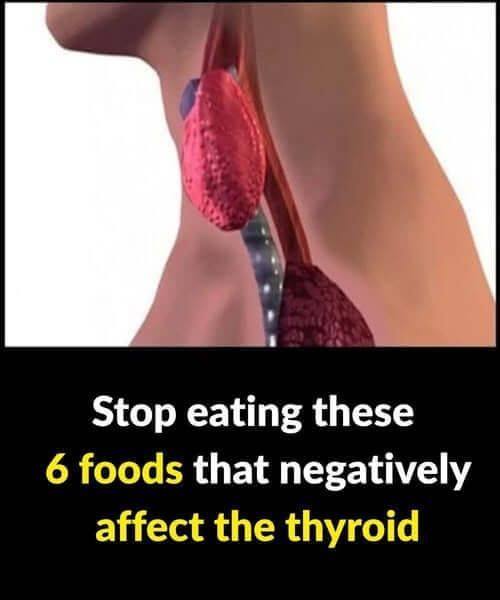
Six Foods That Can Impact Thyroid Health
-
Cruciferous Vegetables (Raw)
-
Examples: broccoli, cauliflower, cabbage, Brussels sprouts, kale.
-
Why: Contain goitrogens, which can interfere with iodine uptake, potentially affecting thyroid hormone production.
-
Note: Cooking these vegetables reduces their goitrogenic effect.
-
-
Soy Products
-
Examples: tofu, soy milk, edamame, soy protein.
-
Why: Isoflavones in soy may interfere with thyroid hormone synthesis, especially in people with iodine deficiency.
-
-
Gluten-containing Foods
-
Examples: wheat, barley, rye products.
-
Why: In people with autoimmune thyroid disease (like Hashimoto’s), gluten may trigger inflammation and worsen thyroid function.
-
-
Sugary Foods
-
Examples: candy, pastries, sodas, sweetened beverages.
-
Why: High sugar intake can lead to inflammation, insulin resistance, and may indirectly affect thyroid hormone levels.
-
-
Processed and Fast Foods
-
Examples: packaged snacks, fried foods, ready-to-eat meals.
-
Why: Often high in sodium and unhealthy fats, which can negatively impact thyroid function and overall hormone balance.
-
-
Certain Fatty Foods
-
Examples: deep-fried foods, margarine, excessive butter, fatty cuts of meat.
-
Why: Can interfere with thyroid hormone absorption and metabolism, and contribute to inflammation.
-
Tips for Thyroid-Friendly Eating
-
Prioritize iodine-rich foods (seaweed, fish, dairy) if you don’t have iodine excess.
-
Include selenium and zinc (nuts, seeds, eggs) to support thyroid hormone production.
-
Limit raw goitrogens if you have thyroid issues but don’t completely avoid them unless advised by a doctor.
-
Maintain a balanced diet with whole foods and minimal processed sugar and fats.