
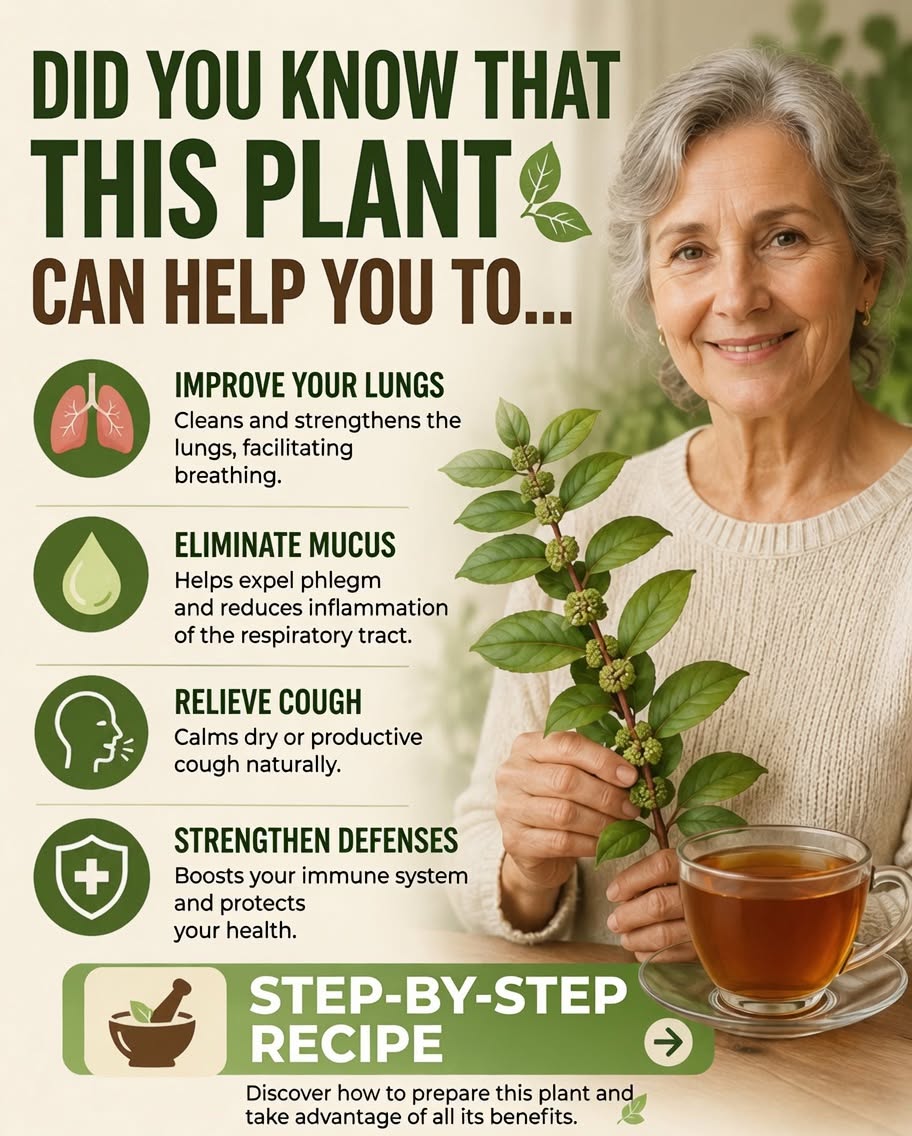
Euphorbia hirta Traditional Uses, Potential Benefits, and Herbal Tea Preparation
Euphorbia hirta, sometimes referred to as snakeweed, asthma weed, or pill-bearing spurge, is a medicinal plant that has long been utilized in traditional herbal therapies in Latin America, Asia, and Africa. The plant’s historic use in promoting digestive comfort, respiratory wellness, and general health has garnered attention.Despite Euphorbia hirta lengthy history of traditional use, scientific study is still underway, and it shouldn’t be regarded as a therapy or cure for any illness. Herbal medicines should be used in addition to conventional medical care, not in substitute of it.
What Is Euphorbia hirta?
Euphorbia hirta is a small flowering herb belonging to the spurge family (Euphorbiaceae). It grows naturally in tropical and subtropical regions and is recognized by its hairy stems, small leaves, and tiny clustered flowers.
Traditionally, various parts of the plant have been used in herbal preparations intended to support:
Respiratory comfort
Digestive wellness
General immune support
Occasional inflammatory discomfort
Nutritional and Plant Compounds
Researchers have identified several naturally occurring compounds in Euphorbia hirta, including:
Flavonoids
Polyphenols
Tannins
Terpenoids
Antioxidant compounds
These plant constituents have been studied for their biological activity, although further research is needed to fully understand their effects in humans.
Traditional Benefits of Euphorbia hirta
Supports Respiratory Wellness
One of the most common traditional uses of Euphorbia hirta involves respiratory health.
In many herbal traditions, infusions made from the plant have been consumed to support:
Respiratory comfort
Normal breathing function
Seasonal wellness
This traditional use is one reason why the herb is often referred to as “asthma weed.”
Provides Antioxidant Support
The plant contains naturally occurring antioxidants that help protect cells from oxidative stress caused by free radicals.
A diet rich in antioxidant-containing foods and herbs may contribute to overall wellness and healthy aging.
Traditionally Used for Digestive Comfort
In traditional medicine, Euphorbia hirta has also been used to support digestive health and maintain digestive comfort.
Herbal infusions are sometimes consumed as part of general wellness routines.
Supports Overall Wellness
Like many medicinal herbs, Euphorbia hirta has been valued in traditional herbal systems for promoting general health and vitality.
How to Prepare Euphorbia hirta Tea
Ingredients
1 tablespoon dried Euphorbia hirta leaves and stems (approximately 3–5 grams)
1 cup (250 ml) water
Instructions
Bring the water to a boil.
Remove from heat.
Add the dried herb.
Cover and allow it to steep for approximately 10 minutes.
Strain before drinking.
The tea is typically consumed fresh.
Traditional Consumption
Traditionally, Euphorbia hirta tea is consumed:
Once daily
Freshly prepared
In moderation
As part of a balanced lifestyle
Additional Ways to Support Respiratory Health
Alongside healthy lifestyle habits, respiratory wellness may be supported by:
Maintaining Good Indoor Air Quality
Avoid smoking indoors
Improve ventilation
Reduce dust accumulation
Use air filtration when appropriate
Staying Hydrated
Adequate hydration helps maintain normal respiratory function.
Eating a Nutrient-Rich Diet
Include:
Fruits
Vegetables
Whole grains
Lean proteins
Healthy fats
Exercising Regularly
Physical activity supports lung function and overall cardiovascular health.
Safety Considerations
While Euphorbia hirta has a long history of traditional use, caution is recommended.
Use in Moderation
Excessive consumption of herbal products may increase the risk of unwanted effects.
Pregnancy and Breastfeeding
Pregnant or breastfeeding individuals should consult a healthcare professional before using herbal preparations.
Existing Medical Conditions
Individuals taking medications or managing chronic health conditions should seek professional medical advice before using herbal remedies regularly.
Not a Substitute for Medical Treatment
Respiratory conditions, including asthma, chronic cough, or breathing difficulties, require proper medical evaluation and treatment. Herbal teas should not replace prescribed medications or healthcare recommendations.
Final Thoughts
Euphorbia hirta is a traditional medicinal herb that has been used for generations to promote general wellness and respiratory comfort. Its long history of use and antioxidant-rich characteristics have made it a popular ingredient in herbal treatments all over the world.Euphorbia hirta tea can be a beneficial supplement to a well-rounded wellness regimen when used sensibly and as part of a healthy lifestyle. However, people should always speak with a trained healthcare provider if they have ongoing symptoms or underlying medical issues.