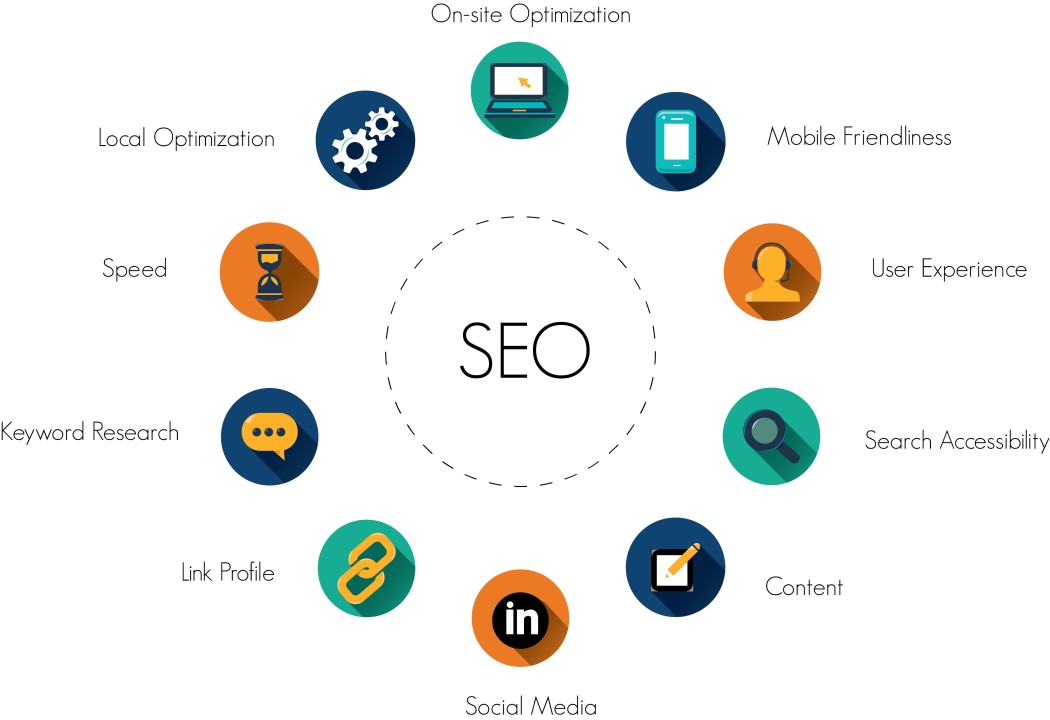
If you have ever searched for something on Google and clicked on one of the first few results, you have experienced the power of SEO. Search Engine Optimization (SEO) is the process of improving a website so that it appears higher in search engine results pages (SERPs). The higher you rank, the more traffic and potential customers you can attract.
This comprehensive guide will explain what SEO is, how it works, and why it matters. We will go step by step through the key components of SEO and give you practical tips to start optimizing your website today.
Understanding SEO: The Basics
SEO stands for Search Engine Optimization. It is a set of strategies and techniques used to help search engines like Google, Bing, and Yahoo understand your website and show it to the right audience.
At its core, SEO is about three main elements:
- Relevance: Ensuring your content matches what users are searching for.
- Authority: Building trust and credibility so search engines see you as a reliable source.
- User Experience: Making your site fast, easy to use, and accessible across all devices.
How Search Engines Work
To understand SEO, it’s important to know how search engines operate. They go through three main steps:
- Crawling: Automated bots (called crawlers or spiders) scan websites to find new and updated content.
- Indexing: The discovered content is stored in a giant database called an index.
- Ranking: When someone searches, the search engine uses algorithms to display the most relevant, high-quality results.
How SEO Works: The Core Components
SEO is a mix of strategies that target both technical and creative elements. Here are the key components that make SEO work:
1. Keyword Research
Keyword research helps you discover what words and phrases your target audience is typing into search engines. This is the starting point for all SEO efforts.
Tips for Keyword Research:
- Use tools like Google Keyword Planner, Ubersuggest, or SEMrush to find relevant search terms.
- Look for long-tail keywords (e.g., “best vegan restaurants in Austin”) which have less competition and higher conversion intent.
- Analyze competitor websites to see which keywords drive their traffic.
- Focus on search intent: are users looking for information, a product, or a local business?
2. On-Page SEO
On-page SEO means optimizing everything visible on your website.
- Title tags: Include the main keyword naturally.
- Meta descriptions: Write a compelling summary to increase click-through rates.
- Header tags: Structure content with H1, H2, H3 for better readability.
- Internal links: Connect related pages to help users navigate.
- Image optimization: Use descriptive file names and alt text.
3. Technical SEO
Technical SEO makes sure search engines can easily crawl and index your website.
Key technical elements include:
- Mobile-friendly design (responsive layout)
- Fast loading times (compress images, use caching)
- Secure HTTPS connection
- Clean URL structure
- XML sitemap and robots.txt for better crawling
4. Off-Page SEO
Off-page SEO is about building your website’s authority.
- Backlinks: Get links from high-quality websites to boost your credibility.
- Brand mentions: Even unlinked mentions can signal trust.
- Social signals: Shares and engagement show that people find your content valuable.
5. Content Quality
Content is the backbone of SEO. Google rewards websites that provide real value.
Content Tips:
- Create comprehensive, well-structured guides.
- Update content regularly to keep it fresh.
- Use multiple formats (articles, videos, infographics).
- Focus on solving user problems, not just stuffing keywords.
Why SEO Matters
SEO is one of the most cost-effective marketing strategies.
- Free traffic: Once you rank, you get visitors without paying per click.
- Brand trust: People are more likely to trust a website that ranks high.
- Long-term growth: Unlike ads, SEO keeps delivering results over time.
- Targeted audience: SEO attracts people actively searching for your solutions.
Example: How SEO Helps a Business
Imagine a small fitness studio. Without SEO, only existing customers know about it. After doing keyword research, the owner writes a blog post titled “Best Beginner Workouts at Home.” The post is optimized with proper headings, images, and internal links. Over time, it ranks on Google and brings in local visitors who later book fitness classes.
SEO Best Practices for Beginners
- Start with a website audit: Find technical issues and fix them.
- Create a content plan: Publish helpful articles targeting your main keywords.
- Build backlinks naturally: Collaborate with industry blogs and local businesses.
- Track results: Use Google Analytics and Search Console to measure progress.
- Be patient: SEO takes time — consistent effort leads to growth.
Common SEO Mistakes to Avoid
- Keyword stuffing (unnatural repetition)
- Ignoring mobile users
- Slow loading speeds
- Using duplicate content
- Not monitoring performance
Final Thoughts
SEO may seem complicated at first, but it is simply about creating a great website that serves your audience and is easy for search engines to understand. By focusing on relevance, authority, and user experience, you can improve your rankings and get more organic traffic.
Whether you run a personal blog, a local business, or an e-commerce store, SEO is one of the best ways to build a sustainable online presence. Start with keyword research, optimize your site, create valuable content, and keep refining your strategy — you will see