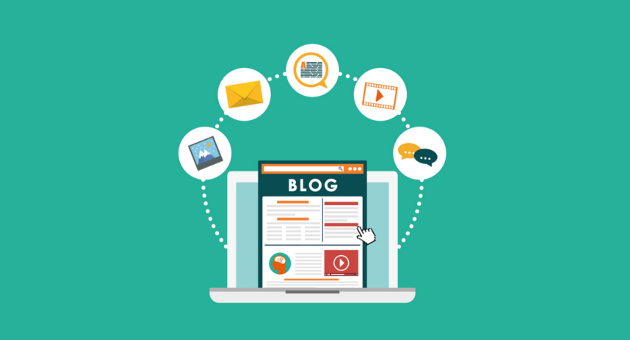
Starting a blog can feel overwhelming when you are a complete beginner, but in 2025, the tools and resources available make it easier than ever. Blogging is still one of the best ways to share your knowledge, build authority, grow an audience, and even earn a full-time income. This step-by-step guide will take you through everything — from picking your niche to writing your first post, promoting your content, and eventually monetizing your blog.
Understand Why You Want to Blog
Before anything else, ask yourself why you want to start a blog. Your purpose will help you stay motivated and consistent in the long run. Some common reasons people start blogging include sharing personal experiences and inspiring others, building a professional brand and showing expertise, generating leads for a business, and creating a passive income stream through ads, affiliate marketing, or selling products. Take a few minutes to write down your main reason. This will guide every decision you make, including the type of content you create.
Choose Your Blog Niche
Your niche is simply the topic your blog will focus on. Having a clear niche helps you attract the right audience and grow faster. Pick a topic you genuinely enjoy and can write about consistently. Check search demand using Google Trends or free keyword tools like Ubersuggest to confirm people are searching for your topic. Look at how other bloggers in the niche make money — are there affiliate products, sponsorship opportunities, or services you can sell later?
Beginner-friendly niche ideas include food recipes or healthy cooking tips, budget travel and solo travel guides, personal finance for students or young professionals, fitness and workout routines, parenting tips for new parents, technology tutorials for beginners, and self-improvement or productivity content. Choosing a niche doesn’t mean you can never write about other topics, it just helps you stay focused while you grow an audience.
Select a Blogging Platform
The next step is choosing where your blog will live. For beginners, WordPress.org is the most recommended platform because it is free, flexible, and highly customizable. You just need hosting to make it live. Alternatives include Blogger, which is simple and free but limited in features, Wix or Squarespace which offer drag-and-drop design for non-technical users, and Substack which is great for newsletter-style blogging. If you plan to grow your blog seriously and attract traffic, WordPress.org is still the best choice.
Get Your Domain Name and Hosting
A domain name is your blog’s address on the internet (like myblog.com). Keep it short and memorable, avoid numbers and hyphens, and if possible use keywords that reflect your niche. Once you choose a domain, you’ll need a hosting provider to store your blog files. Popular beginner-friendly hosting services in 2025 include SiteGround, Hostinger, and Kinsta. After purchasing hosting, you can install WordPress in a few clicks and start customizing your blog.
Design Your Blog
You don’t need to be a designer to make a good-looking blog. Most WordPress themes are pre-designed and customizable. Choose a simple, mobile-friendly theme, use easy-to-read fonts and plenty of white space, add a logo to make your brand memorable, and make navigation easy with a simple menu including Home, About, Blog, and Contact pages. Also, ensure your site loads quickly because site speed affects user experience and SEO.
Write Your First Blog Posts
Before launching, create at least three to five pieces of content so your readers have something to explore when they visit. Focus on helpful, beginner-friendly content such as how-to guides, list-style posts, and explainers that answer common questions in your niche. Write in a conversational tone, use short paragraphs, and include headings and images to make your content engaging. End every post with a call to action such as encouraging comments, shares, or linking to another post.
Learn the Basics of SEO
Search Engine Optimization (SEO) is crucial if you want your blog to rank on Google and attract free traffic. Use your target keyword in the title, URL, and first paragraph. Add related keywords naturally throughout the content, use heading tags to structure your article, link to your own posts and other useful websites, write meta descriptions to improve click-through rates, and optimize images by compressing them and adding alt text. Learning SEO early will help you grow your blog much faster.
Promote Your Blog
Publishing posts is just step one. To get readers, you need to actively promote your blog. Share your posts on social media platforms like Instagram, Twitter, and LinkedIn. Repurpose your blog content into videos for TikTok, Instagram Reels, and YouTube Shorts. Join niche-specific Facebook groups and share value while avoiding spam. Collaborate with other bloggers through guest posts or link exchanges, and build an email list to send updates to readers.
Stay Consistent and Patient
Many beginners quit too soon. Blogging takes time to grow. Commit to publishing at least one post per week, create a content calendar for the next two to three months, and update old posts every few months to keep them relevant. The key to growth is staying consistent and improving with every post you publish.
Monetize Your Blog
Once you start getting traffic, you can begin monetizing your blog. Popular monetization options include affiliate marketing where you recommend products and earn commissions, displaying ads through networks like Google AdSense or Mediavine, sponsored content where brands pay you to promote them, selling digital products like eBooks or online courses, and offering freelance services or consulting. Monetization works best when your audience trusts you and finds value in your content.
Common Mistakes Beginners Should Avoid
Avoid choosing a niche that is too broad as it is harder to rank for. Don’t publish content without a plan or consistency. Don’t ignore SEO basics, and most importantly, avoid expecting instant results because blogging is a long-term game.
Final Thoughts
Starting a blog in 2025 is an amazing opportunity to build an online presence, help others, and even make money. The key steps are simple: choose a niche, pick the right platform, write helpful content, learn SEO, promote your work, stay consistent, and focus on building trust. If you follow these steps, your blog can grow into a powerful online asset and even a full-time income source over time.