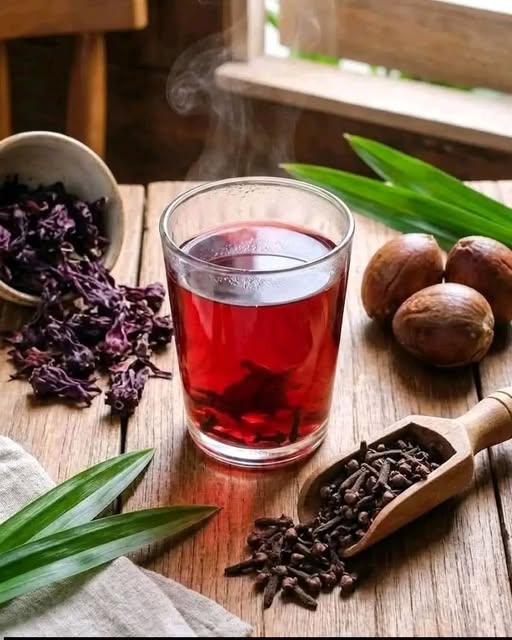
Hibiscus Tea Recipe
Description
Hibiscus tea is a tart, vibrant crimson herbal infusion made from dried hibiscus flowers (Hibiscus sabdariffa). Popular in many cultures, it can be enjoyed hot or cold, with a refreshing, tangy flavor reminiscent of cranberries. Rich in antioxidants, hibiscus tea supports heart health, blood pressure regulation, and overall wellness. It’s naturally caffeine-free, making it perfect for any time of day.
Ingredients (Serves 4)
-
4 cups (1 liter) water
-
1/2 cup dried hibiscus flowers
-
2–3 tablespoons honey, maple syrup, or sugar (adjust to taste)
-
Optional flavorings:
-
1 cinnamon stick
-
4–5 whole cloves
-
1–2 slices fresh ginger
-
1–2 slices fresh lemon or orange
-
Instructions
1. Boil Water
Bring 4 cups of water to a gentle boil in a saucepan.
2. Add Hibiscus Flowers
Remove from heat and add the dried hibiscus flowers (and optional spices or ginger). Cover and steep for 10–15 minutes for strong flavor.
3. Sweeten
Strain the tea into a teapot or jug. Add honey, sugar, or maple syrup while warm. Stir well.
4. Serve
-
Hot: Serve immediately.
-
Iced: Let cool to room temperature, then refrigerate for 1–2 hours. Serve over ice with lemon or mint garnish.
Notes & Tips
-
Tartness: Hibiscus tea is naturally tart. Adjust sweetness gradually.
-
Cold Brew: For a milder flavor, steep hibiscus flowers in cold water for 6–12 hours in the fridge.
-
Spice it Up: Cinnamon, ginger, or cloves add warmth and complexity.
-
Storage: Store brewed tea in the fridge for up to 5 days. Dried hibiscus flowers keep for about 1 year in a cool, dark place.
-
Color Tip: The deep red color may stain surfaces or clothing—handle carefully.
Servings
4 cups (1 liter) – each serving is approximately 1 cup (250 ml).
Nutritional Information (per 1 cup / 250 ml, unsweetened)
-
Calories: 2–5 kcal
-
Carbohydrates: 0.5 g
-
Sugars: 0 g (without added sweetener)
-
Fat: 0 g
-
Protein: 0 g
-
Vitamin C: 12 mg (~20% DV)
-
Iron: 0.4 mg (~2% DV)
-
Antioxidants: High (anthocyanins, flavonoids)
Note: Sweetened versions will have higher calories and sugar content depending on sweetener used.
Health Benefits
-
Supports Heart Health – May help lower blood pressure and cholesterol levels.
-
Rich in Antioxidants – Helps combat oxidative stress and inflammation.
-
Supports Weight Management – Naturally low-calorie and may support metabolism.
-
Promotes Hydration – Delicious, caffeine-free way to stay hydrated.
-
Aids Digestion – Can have mild diuretic and digestive benefits.
Q/A About Hibiscus Tea
Q: Can I drink hibiscus tea every day?
A: Yes, in moderation (1–2 cups daily). Excess may lower blood pressure too much for some individuals.
Q: Is hibiscus tea safe for pregnant women?
A: Generally not recommended in high amounts during pregnancy due to potential uterine effects. Consult a doctor.
Q: Can I use fresh hibiscus flowers?
A: Yes, but use slightly more than dried flowers (roughly 3/4 cup fresh).
Q: Can I combine hibiscus tea with other teas?
A: Absolutely! It pairs well with green, black, or herbal teas for layered flavors.
Q: Why is my hibiscus tea bitter?
A: Over-steeping or boiling the flowers too long can create bitterness. 10–15 minutes is optimal.