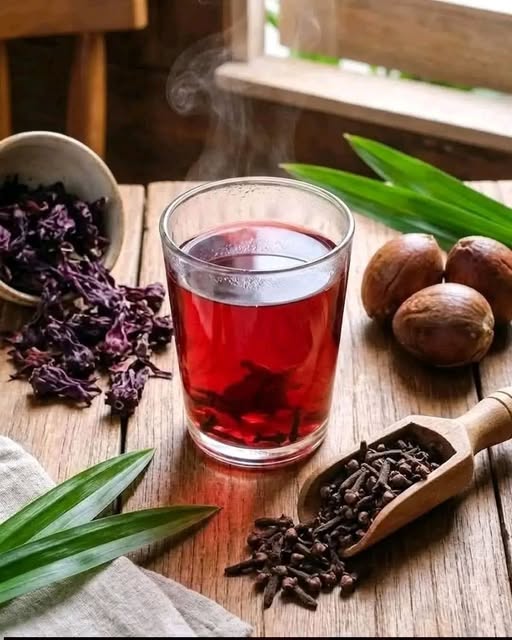
Hibiscus Tea Recipe
Description
Hibiscus tea is a vibrant, tangy herbal tea made from the dried calyces of the hibiscus flower (Hibiscus sabdariffa). Known for its deep ruby-red color and tart, cranberry-like flavor, hibiscus tea can be enjoyed hot or iced. It’s caffeine-free, refreshing, and often lightly sweetened. In addition to its delightful taste, hibiscus tea is packed with antioxidants and is traditionally used in many cultures to support heart health and hydration.
Ingredients
-
1 cup dried hibiscus petals (about 20 g)
-
4 cups water (1 liter)
-
2–4 tablespoons sweetener (sugar, honey, or agave) – optional
-
1–2 slices fresh ginger (optional for a spicy note)
-
1 cinnamon stick or 2 cardamom pods (optional for aroma)
-
Fresh lemon or lime slices (optional, for serving)
Instructions
-
Boil Water: In a medium pot, bring 4 cups of water to a boil.
-
Add Hibiscus: Remove from heat and add the dried hibiscus petals. Add optional ginger or spices if using.
-
Steep: Cover and let steep for 10–15 minutes for a strong flavor, or 5–7 minutes for a lighter taste.
-
Strain: Strain the tea into a teapot or pitcher, discarding the petals.
-
Sweeten & Serve: Add sweetener to taste while tea is warm. Serve hot or chill in the refrigerator for iced hibiscus tea. Garnish with lemon or lime slices if desired.
Notes
-
Flavor Variations: Add mint, orange peel, or hibiscus blends with rosehips for extra depth.
-
Concentration: For iced tea, brew stronger (steep longer) to prevent dilution when adding ice.
-
Storage: Keep in the fridge for up to 5–7 days in a sealed container.
Tips
-
Always use fresh or properly stored dried hibiscus petals to prevent a musty taste.
-
Avoid boiling hibiscus too long; prolonged boiling can make it bitter.
-
Sweeten lightly; hibiscus has a natural tartness that balances well with a touch of sweetness.
-
Pair with meals: hibiscus tea complements spicy dishes and light salads.
Servings
-
Makes approximately 4 cups (1 liter)
-
Serves 2–4 people depending on cup size
Nutritional Information (per 1 cup / 240 ml, unsweetened)
-
Calories: 2 kcal
-
Carbohydrates: 0.5 g
-
Protein: 0 g
-
Fat: 0 g
-
Fiber: 0 g
-
Vitamin C: 12% DV
-
Calcium: 1% DV
-
Iron: 1% DV
Values vary slightly depending on added sweeteners or flavorings.
Benefits of Hibiscus Tea
-
Heart Health: May help lower blood pressure and cholesterol levels.
-
Rich in Antioxidants: Protects cells from oxidative stress.
-
Hydration: Naturally caffeine-free and hydrating.
-
Supports Weight Management: Low-calorie and may help with fat metabolism.
-
Immune Support: Contains vitamin C to aid immunity.
-
Digestive Aid: Can have mild diuretic and digestive benefits.
Q&A About Hibiscus Tea
Q1: Can I drink hibiscus tea every day?
A: Yes, in moderation. Most people can safely enjoy 1–3 cups daily. Those with low blood pressure or taking certain medications should consult a doctor.
Q2: Can children drink it?
A: Yes, but limit to small servings (½ cup) due to its tartness.
Q3: Is hibiscus tea caffeinated?
A: No, it’s naturally caffeine-free.
Q4: Does it interact with medications?
A: Hibiscus may lower blood pressure, so people on antihypertensive medications should monitor intake.
Q5: Hot or cold – which is better?
A: Both! Hot enhances aroma and soothing effects, while iced is refreshing and hydrating.
Q6: Can I use fresh hibiscus flowers?
A: Yes, but you’ll need more (about 1½ cups fresh petals for 4 cups of tea).