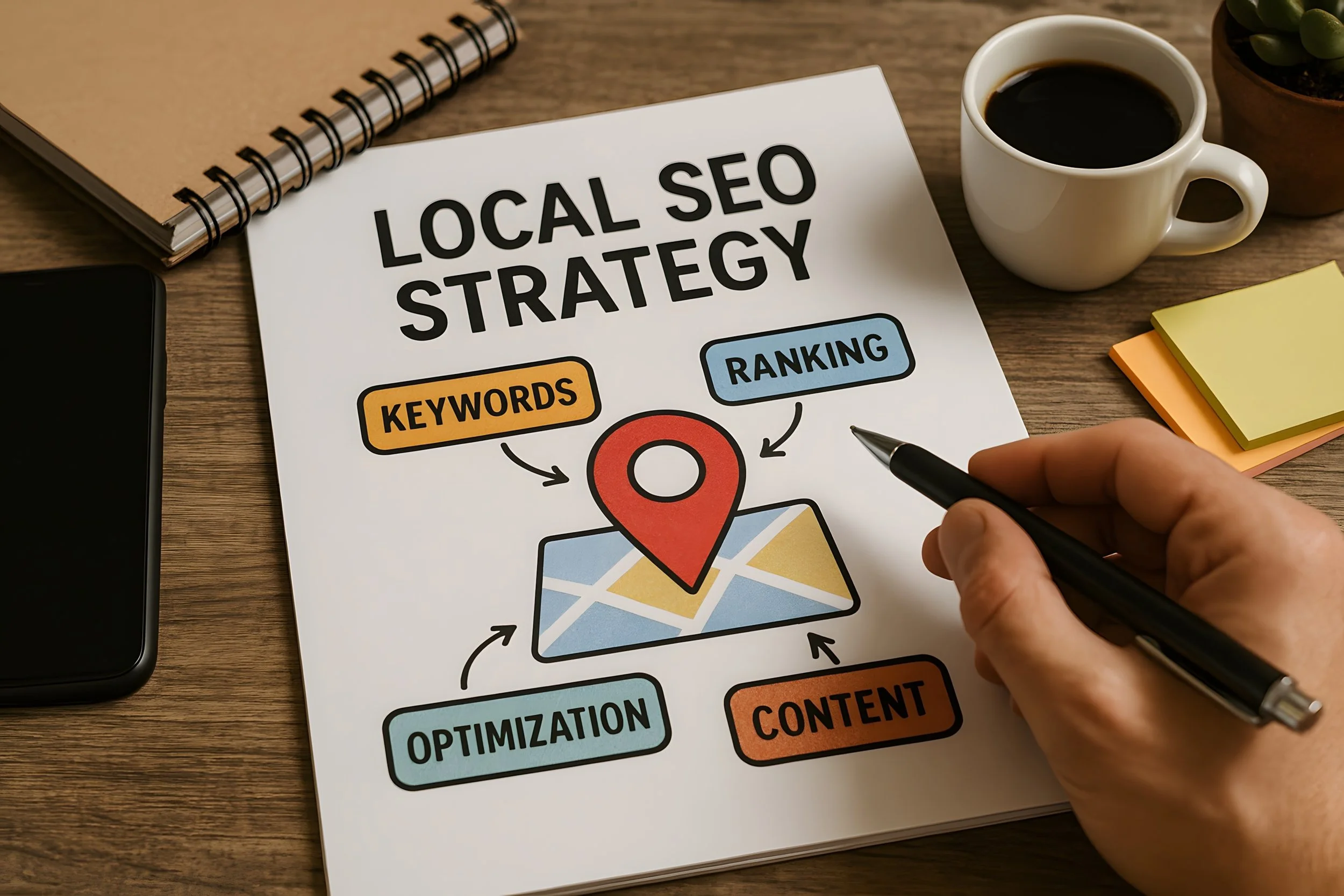
Search engine optimization (SEO) is one of the most powerful marketing channels for small businesses. Unlike paid advertising, which stops delivering results as soon as you stop paying, SEO helps your website attract consistent, long-term traffic. By implementing the right strategy, even a small business with a limited budget can outrank larger competitors.
This comprehensive guide will cover the best SEO strategy for small businesses, giving you a step-by-step plan you can follow. By the end, you will know how to research keywords, optimize your website, build authority with backlinks, create engaging content, and monitor results to continually improve performance.
Why SEO Is Crucial for Small Businesses
Small businesses often operate with smaller budgets and fewer resources. Competing with large companies in advertising can be tough, but SEO levels the playing field. Here are a few reasons you should prioritize SEO:
- Cost-effective marketing: Organic search brings free traffic once you start ranking.
- Better visibility: Appearing on the first page of Google means customers are more likely to find you.
- Higher credibility: People trust websites that rank high organically more than those relying solely on ads.
- Consistent leads: SEO works for you 24/7, bringing in potential customers even outside business hours.
- Local customer acquisition: With proper local SEO, you can attract nearby customers ready to buy.
Step 1: Keyword Research – Find the Right Opportunities
Keyword research is the foundation of every SEO campaign. It helps you understand what potential customers are searching for so you can create content that answers their needs.
Actionable Tips:
- Brainstorm a keyword list: Write down all the services or products you offer. For example, a bakery might start with words like “cupcakes,” “birthday cakes,” “gluten-free pastries.”
- Use keyword tools: Tools like Google Keyword Planner, Ubersuggest, and AnswerThePublic will show you monthly search volume and competition level.
- Focus on long-tail keywords: Phrases like “best gluten-free bakery near me” or “affordable wedding cakes in [city]” are easier to rank for and have higher buyer intent.
- Check search intent: Search your chosen keywords and see what Google shows. Are results blog posts, product pages, or how-to guides? Match your content format accordingly.
- Competitor analysis: Use tools like SEMrush or Ahrefs (or free alternatives like Ubersuggest) to see what your competitors rank for. Find gaps you can target.
Step 2: Website Structure and Technical SEO
Your website needs to be easy to navigate and optimized for both users and search engines.
- Mobile-friendly design: More than 60% of searches happen on mobile. Use a responsive theme that adapts to all devices.
- Page speed: A slow website can lose visitors quickly. Compress images, enable browser caching, and use a fast hosting provider.
- Logical site architecture: Use clear categories and internal linking to make it easy for users to find information.
- HTTPS security: Install an SSL certificate to keep data secure and gain trust.
- XML sitemap and robots.txt: Help search engines index your site properly.
Step 3: On-Page SEO Optimization
On-page SEO is about making each page as search-engine-friendly as possible.
Best Practices:
- Title tags: Include your main keyword naturally. Example: Best Cupcake Bakery in Chicago | Sweet Treats Bakery.
- Meta descriptions: Summarize the page in 150–160 characters with a call-to-action. Example: Order custom cakes in Chicago. Fresh, affordable, and delivered to your door.
- Header tags: Use H1 for the main title, H2s for sections, H3s for sub-sections.
- Internal linking: Link to other relevant pages, like product pages, blog posts, and FAQs.
- Image optimization: Use descriptive file names and alt tags (e.g., “chocolate-cupcake.jpg”).
Step 4: Create High-Quality Content
Google loves fresh, valuable content. For small businesses, this can mean writing blog posts, publishing guides, creating videos, or sharing customer stories.
Ideas for Content:
- How-to guides: Example: “How to Choose the Right Wedding Cake Design.”
- List posts: “Top 10 Birthday Cake Ideas for Kids.”
- Case studies: Showcase your work and results you’ve achieved for customers.
- FAQs: Answer common customer questions in detail.
- Seasonal content: Publish holiday-related content in advance to capture seasonal traffic.
Publishing consistently builds authority over time. You can aim for one blog post per week to start.
Step 5: Local SEO – Dominate Your Area
If you have a local business, you need to focus on local SEO.
Key Local SEO Actions:
- Google Business Profile: Claim and fully optimize your profile. Add correct NAP (Name, Address, Phone), business hours, services, and photos.
- Local citations: List your business on Yelp, Yellow Pages, TripAdvisor, and niche directories. Ensure consistency across all platforms.
- Reviews: Ask happy customers to leave positive reviews. Respond to reviews to show engagement.
- Local content: Write blog posts about local events or news. Example: “Best Places to Host Birthday Parties in [City].”
- Google Maps ranking: Encourage check-ins and keep your profile updated to improve map visibility.
Step 6: Build High-Quality Backlinks
Backlinks signal to search engines that your website is trustworthy.
Effective Link-Building Strategies:
- Guest blogging: Contribute articles to industry blogs with a link back to your site.
- Partnerships: Team up with complementary businesses to exchange links.
- Create shareable assets: Infographics, original research, and ultimate guides attract links naturally.
- PR mentions: Pitch your story to local media outlets or industry publications.
- Broken link building: Find broken links on relevant sites and offer your content as a replacement.
Step 7: Monitor, Measure, and Adjust
SEO is not set-and-forget. Track your progress and make data-driven decisions.
- Google Analytics: Track which pages get the most traffic and which ones convert.
- Search Console: Identify queries driving impressions and clicks.
- Keyword tracking tools: Monitor rankings over time to see improvements.
- A/B testing: Experiment with different titles, descriptions, and CTAs to improve click-through rates.
Common Mistakes to Avoid
- Ignoring mobile optimization.
- Publishing thin, low-value content.
- Keyword stuffing and unnatural writing.
- Neglecting local SEO when you have a physical location.
- Forgetting to measure results and refine strategy.
Example Small Business SEO Plan
Here’s a sample month-by-month plan:
- Month 1: Keyword research, website audit, fix technical SEO issues.
- Month 2: Publish cornerstone content, optimize on-page SEO, set up Google Business Profile.
- Month 3: Build first 5–10 backlinks through guest posts and outreach.
- Month 4: Start publishing weekly blog posts and collect reviews.
- Month 5: Expand local citations and monitor rankings.
- Month 6: Analyze performance, adjust keywords, and double down on what’s working.
Conclusion
The best SEO strategy for small businesses is about consistency, patience, and quality. Focus on your audience’s needs, create helpful content, and keep improving based on data. Over time, you will build a strong online presence, attract more leads, and grow your revenue without overspending on ads.
SEO is not an overnight fix, but when done right, it is one of the highest-ROI marketing channels available. Start implementing these strategies today and watch your small business rise in the search results.