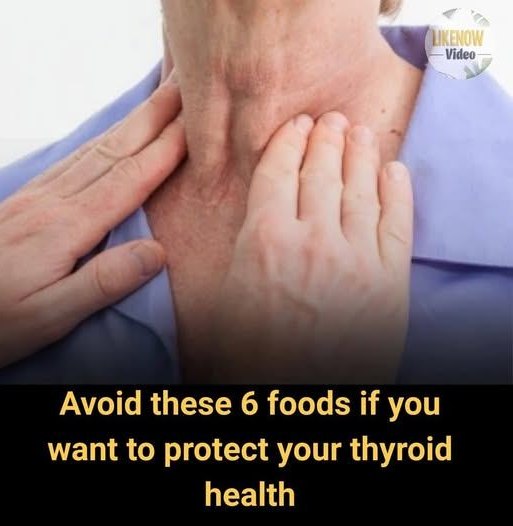
The 6 foods commonly blamed — with the truth
Raw cruciferous vegetables
Examples:
Broccoli, cauliflower, cabbage, kale, Brussels sprouts
Why they’re blamed:
They contain goitrogens, which can interfere with iodine uptake in large amounts.
Reality:
-
You’d need massive daily amounts, especially raw
-
Cooking dramatically reduces goitrogens
-
For most people → these are extremely healthy
Who should limit (not avoid):
-
Untreated hypothyroidism
-
Iodine deficiency
👉 Cook them. Don’t fear them.
Soy and soy products
Examples:
Soy milk, tofu, edamame, soy protein isolate
Why they’re blamed:
Soy can slightly interfere with thyroid hormone absorption.
Reality:
-
Doesn’t damage the thyroid
-
Can interfere only if you take thyroid medication
Smart move:
-
Keep soy 3–4 hours away from thyroid meds
Gluten (for some people)
Examples:
Wheat, barley, rye
Why it’s blamed:
Hashimoto’s and celiac disease often overlap.
Reality:
-
Gluten only matters if you have:
-
Celiac disease
-
Gluten sensitivity
-
Hashimoto’s (in some cases)
-
If you don’t?
No strong evidence you need to cut it.
Highly processed foods
Examples:
Fast food, packaged snacks, sugary cereals
Why they’re blamed:
-
Inflammation
-
Blood sugar spikes
-
Poor nutrient density
Reality:
This one is fair — not just for thyroid, but overall health.
👉 Not a thyroid-specific villain, just not helpful.
Excess sugar
Examples:
Sodas, candy, desserts
Why it’s blamed:
-
Increases inflammation
-
Disrupts hormone balance
-
Can worsen autoimmune activity
Reality:
Moderation is key. Occasional sugar ≠ thyroid damage.
Alcohol (especially excessive)
Why it’s blamed:
-
Suppresses thyroid hormone production
-
Affects liver (important for T4 → T3 conversion)
Reality:
-
Heavy drinking is the problem
-
Light/moderate intake usually isn’t disastrous