
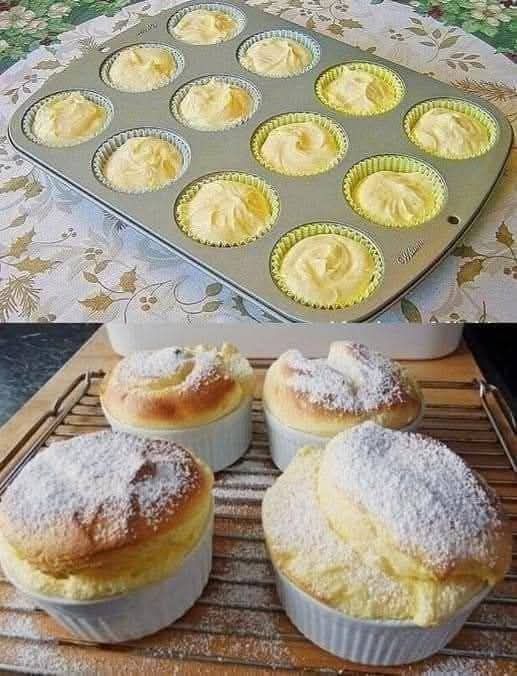
🍰 Japanese Cotton Cheesecake
Description
Japanese Cotton Cheesecake, also known as “Soufflé Cheesecake,” is beloved for its cloud-like texture and delicate flavor. Unlike traditional cheesecakes, this version is less dense and not overly sweet. It’s made by folding fluffy meringue into a smooth cream cheese base, then baking gently in a water bath to create that signature jiggly, cottony finish. Perfect for afternoon tea or as an elegant dessert.
Ingredients
For the Cheesecake Batter:
-
250 g (9 oz) cream cheese, softened
-
50 g (3½ tbsp) unsalted butter
-
100 ml (½ cup) milk
-
6 large eggs, separated
-
140 g (⅔ cup) granulated sugar, divided
-
60 g (½ cup) cake flour, sifted
-
20 g (2 tbsp) cornstarch
-
1 tsp lemon juice
-
1 tsp vanilla extract
-
¼ tsp salt
For Baking:
-
Hot water (for the water bath)
-
Powdered sugar (optional, for dusting)
Instructions
-
Prepare the Pan:
-
Line the bottom and sides of an 8-inch round springform pan with parchment paper. Wrap the outside with aluminum foil to prevent water from seeping in during the water bath.
-
-
Preheat the Oven:
-
Set to 160°C (320°F).
-
-
Make the Cream Cheese Base:
-
In a heatproof bowl, combine cream cheese, butter, and milk.
-
Place the bowl over a pot of simmering water (double boiler method). Stir until smooth and silky. Remove from heat and let cool slightly.
-
-
Add the Yolks:
-
Whisk in egg yolks, one at a time. Add lemon juice, vanilla extract, and salt. Mix well.
-
-
Incorporate Dry Ingredients:
-
Sift cake flour and cornstarch into the mixture. Gently whisk until smooth and lump-free. Set aside.
-
-
Make the Meringue:
-
In a clean, dry bowl, beat egg whites on medium speed until foamy.
-
Gradually add the remaining sugar in three portions. Continue beating until stiff peaks form but the meringue is still glossy.
-
-
Combine Mixtures:
-
Fold ⅓ of the meringue into the cream cheese batter using a spatula to lighten it.
-
Gently fold in the remaining meringue in two more additions. Do not overmix.
-
-
Bake in a Water Bath:
-
Pour the batter into the prepared pan. Tap gently to remove air bubbles.
-
Place the pan into a larger roasting tray and pour hot water halfway up the sides.
-
Bake for 25 minutes at 160°C (320°F), then lower to 150°C (300°F) and bake for another 50–60 minutes.
-
-
Cool Gradually:
-
Turn off the oven and leave the cheesecake inside with the door slightly open for 15 minutes.
-
Remove from the oven, let cool in the pan, then transfer to a wire rack.
-
-
Serve:
-
Dust lightly with powdered sugar and slice with a warm knife. Best enjoyed slightly chilled or at room temperature.
-
Notes
-
Use room temperature ingredients for smooth blending.
-
The water bath is key to preventing cracks and keeping the cake moist.
-
Do not overbeat or underbeat the meringue — it should be glossy and hold soft peaks.
-
Cooling slowly prevents the cake from collapsing.
Tips
-
For extra flavor, add a teaspoon of lemon zest or a touch of almond extract.
-
If the top browns too quickly, cover loosely with foil halfway through baking.
-
Chill the cheesecake for at least 4 hours or overnight before serving for the best texture.
-
A springform pan or removable-bottom pan makes unmolding easier.
Servings
-
Makes: 8–10 slices
-
Prep Time: 30 minutes
-
Cook Time: 1 hour 20 minutes
-
Total Time: About 2 hours (including cooling)
Nutritional Information (Per Slice)
| Component | Amount |
|---|---|
| Calories | 215 kcal |
| Protein | 7 g |
| Carbohydrates | 16 g |
| Sugars | 13 g |
| Fat | 13 g |
| Saturated Fat | 8 g |
| Cholesterol | 135 mg |
| Sodium | 150 mg |
Health Benefits
-
High in protein from eggs and cream cheese, aiding muscle repair.
-
Lower sugar than traditional cheesecakes, making it a lighter dessert option.
-
Contains calcium for bone strength and vitamin B12 for energy.
-
No crust, meaning fewer carbs and calories overall.
Q & A
Q1: Why did my cheesecake collapse after baking?
A: It likely cooled too fast or the meringue was overbeaten. Next time, cool gradually in the oven with the door ajar.
Q2: Can I make it gluten-free?
A: Yes! Substitute cake flour with an equal amount of gluten-free all-purpose flour or rice flour.
Q3: Can I use less sugar?
A: You can reduce sugar by up to 20%, but don’t cut too much or the texture may change.
Q4: How do I store it?
A: Keep it refrigerated in an airtight container for up to 4 days. It can also be frozen for up to 1 month.
Q5: What’s the best way to serve it?
A: Serve plain, dusted with powdered sugar, or topped with fresh berries and a drizzle of honey.